 Bitcoin
  Ethereum
  Tether
  BNB
BNB  XRP
XRP  USDC
USDC  Solana
  TRON
TRON  Lido Staked Ether
  Figure Heloc
  Dogecoin
  USDS
USDS  WhiteBIT Coin
  Cardano
  Hyperliquid
  Wrapped stETH
  Bitcoin Cash
  LEO Token
  Wrapped Bitcoin
  Chainlink
  Binance Bridged USDT (BNB Smart Chain)
  Monero
  Wrapped Beacon ETH
  Ethena USDe
  Stellar
  Canton
  Wrapped eETH
  USD1
USD1  Dai
Dai  sUSDS
sUSDS  Litecoin
  Rain
Rain  Hedera
  Coinbase Wrapped BTC
  Avalanche
  PayPal USD
  MemeCore
  WETH
WETH  Zcash
Zcash  Sui
Sui  Shiba Inu
  USDT0
USDT0  Bittensor
  Toncoin
  Cronos
  World Liberty Financial
  Circle USYC
  Tether Gold
  Mantle
  Ethena Staked USDe
  PAX Gold
  Uniswap
  Polkadot
  BlackRock USD Institutional Digital Liquidity Fund
  Pi Network
  Global Dollar
  OKB
OKB  Falcon USD
  Sky
Sky  Aster
Aster  Aave
Aave  syrupUSDC
  NEAR Protocol
  HTX DAO
  Pepe
Pepe  Ripple USD
  Bitget Token
  BFUSD
BFUSD  Ondo US Dollar Yield
  Ondo
Ondo  Ethereum Classic
  Internet Computer
  Siren
Siren  Gate
Gate  Quant
Quant  Janus Henderson Anemoy Treasury Fund
  Pump.fun
  Jupiter Perpetuals Liquidity Provider Token
  KuCoin
  POL (ex-MATIC)
  Kaspa
Kaspa  Spiko EU T-Bills Money Market Fund
  Render
  Jito Staked SOL
  Worldcoin
  NEXO
NEXO  Kelp DAO Restaked ETH
  Morpho
  USDtb
USDtb  Binance-Peg WETH
  Cosmos Hub
  Rocket Pool ETH
  Ethena
  Aptos
Aptos  Binance Bridged USDC (BNB Smart Chain)
  USDD
USDD  Midnight
  Wrapped BNB
  Algorand
  Function FBTC
  Superstate Short Duration U.S. Government Securities Fund (USTB)
  Official Trump
  Provenance Blockchain
  Flare
Flare  Filecoin
  syrupUSDT
  Beldex
  XDC Network
  OUSG
OUSG  Binance Staked SOL
  VeChain
  YLDS
YLDS  GHO
GHO  Arbitrum
  Usual USD
  Stable
  Polygon Bridged USDC (Polygon PoS)
  Artificial Superintelligence Alliance
  Solv Protocol BTC
  LayerZero
  Lombard Staked BTC
  Bonk
Bonk  Jupiter
  JUST
JUST  clBTC
clBTC  TrueUSD
  Fasttoken
  A7A5
A7A5  PancakeSwap
  Virtuals Protocol
  Pudgy Penguins
  StakeWise Staked ETH
  Stacks
  EURC
EURC  Kinetiq Staked HYPE
  tBTC
tBTC  Ether.fi
  Dash
Dash  WrappedM by M0
  Tezos
Tezos  Sei
Sei  Janus Henderson Anemoy AAA CLO Fund
  First Digital USD
  Decred
  c8ntinuum
  Kite
Kite  Chiliz
  Mantle Staked Ether
  PRIME
PRIME  USX
USX  Polygon PoS Bridged DAI (Polygon POS)
  DeXe
DeXe  Resolv wstUSR
  Kinesis Gold
  COCA
COCA  AINFT
AINFT  Sun Token
  Curve DAO
  Liquid Staked ETH
  Gnosis
  Arbitrum Bridged WBTC (Arbitrum One)
  ADI
ADI  BitTorrent
  River
River  USDai
USDai  Wrapped Flare
  Conflux
  Aerodrome Finance
  L2 Standard Bridged WETH (Base)
  Injective
  Steakhouse USDC Morpho Vault
  Venice Token
  Kaia
Kaia  Celestia
  FLOKI
FLOKI  Bitcoin SV
  Binance-Peg XRP
  Legacy Frax Dollar
  Ether.Fi Liquid ETH
  SPX6900
  Renzo Restaked ETH
  JasmyCoin
  Ape and Pepe
  sBTC
sBTC  The Graph
  Official FO
  crvUSD
  Jupiter Staked SOL
  Kinesis Silver
  Savings USDD
  Monad
Monad  Maple Finance
  DoubleZero
  Marinade Staked SOL
  IOTA
IOTA  Arbitrum Bridged WETH (Arbitrum One)
  Olympus
  Lido DAO
  BTSE Token
  TheTrumpToken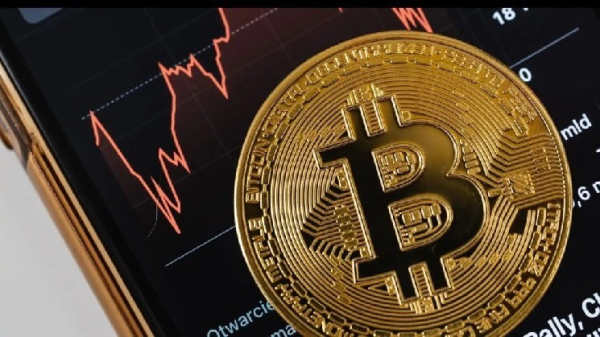
What Will Happen to the Bitcoin (BTC) Price Tomorrow Due to the Impact of the Major Options Expiration?


Bitcoin (BTC) is entering a critical phase at the intersection of rising geopolitical tensions in the Middle East and a massive options contract worth approximately $14 billion.
This development, which stands out as the year’s biggest option expiration, occurs at a time when markets are searching for direction, and the uncertain peace talks between the US and Iran are directly affecting risk appetite.
According to market data, approximately $14 billion worth of Bitcoin options, based on total open interest, will expire on Friday. This quarterly expiry will wipe out roughly 40% of open interest on Deribit, one of the largest platforms in the crypto derivatives market. This development coincides with US President Donald Trump’s threats to increase military pressure on Iran and Tehran’s rejection of a peace offer.
In recent weeks, the Bitcoin price has been stuck in a range of approximately $60,000 to $75,000. Trading well below its peak of around $126,000 seen in October 2025, the asset has failed to establish a clear direction despite geopolitical tensions and occasional increases in inflows into US spot Bitcoin ETFs. Indeed, Bitcoin fell 3.2% today, dropping to $68,692.
According to market participants, positioning in derivative markets plays a significant role in this sideways trend. In the first quarter of the year, institutional investors preferred to sell call options, taking positions that the price would not rise sharply. This concentrated the risk on market makers, who balanced their positions by buying when the price fell and selling when it rose. This mechanism, in turn, led to the suppression of volatility.
According to analysts, positioning in derivative markets plays a decisive role in this sideways trend. James Harris, CEO of asset management company Tesseract, notes that institutional investors preferred to generate income by selling call options in the first quarter of the year. According to Harris, this led to a shift of risk to market makers, who suppressed volatility by buying when prices fell and selling when they rose.
During this process, it was noted that the price frequently headed towards the “maximum pain point” around the $75,000 level. Harris stated, “Hedge flows can pull the price down to this level as the expiration date approaches, but they also limit the range movement.”
This mechanical effect is expected to disappear once the option contracts expire. At this point, analysts note that Bitcoin will once again become more sensitive to macroeconomic and geopolitical developments.
Andreja Cobeljic stated that in the current climate of uncertainty, Bitcoin could remain in the $70,000-$75,000 range, noting that the upper end of this range acts as both a “magnet” and resistance. According to Cobeljic, a potential ceasefire agreement could push the price above $75,000, triggering further gains as short positions are closed. However, she warned that if negotiations fail, the price could fall back to the $68,500 level.
On the other hand, Jasper De Maere, an OTC trader at Wintermute, stated that option dynamics have created a slight upward trend in Bitcoin, but there is no strong expectation of a clear overall market direction. De Maere noted that the factors suppressing volatility in the post-expiration period will disappear, and macroeconomic and geopolitical factors will once again become decisive in the market.
According to analysts, the biggest risk isn’t the absence of institutional investors from the market, but their rapid position closure in the face of a negative development. Harris noted that if a negative geopolitical scenario unfolds, especially towards the end of the week, the structural support provided by options would disappear, potentially leading to much sharper price movements.
*This is not investment advice.
