 Bitcoin
  Ethereum
  Tether
  XRP
XRP  BNB
BNB  USDC
USDC  Solana
  TRON
TRON  Lido Staked Ether
  Figure Heloc
  Dogecoin
  WhiteBIT Coin
  USDS
USDS  Hyperliquid
  LEO Token
  Wrapped stETH
  Cardano
  Bitcoin Cash
  Wrapped Bitcoin
  Monero
  Binance Bridged USDT (BNB Smart Chain)
  Chainlink
  Wrapped Beacon ETH
  Zcash
Zcash  Canton
  Stellar
  Wrapped eETH
  USD1
USD1  Dai
Dai  sUSDS
sUSDS  Litecoin
  Avalanche
  Ethena USDe
  Coinbase Wrapped BTC
  MemeCore
  Hedera
  Sui
Sui  WETH
WETH  Shiba Inu
  Rain
Rain  Toncoin
  USDT0
USDT0  PayPal USD
  Cronos
  Circle USYC
  Bittensor
  Tether Gold
  Global Dollar
  BlackRock USD Institutional Digital Liquidity Fund
  Ethena Staked USDe
  PAX Gold
  Mantle
  Uniswap
  Polkadot
  Sky
Sky  Pi Network
  OKB
OKB  World Liberty Financial
  Falcon USD
  Aster
Aster  Little Pepe
  HTX DAO
  Pepe
Pepe  syrupUSDC
  NEAR Protocol
  Ripple USD
  USDD
USDD  Aave
Aave  Bitget Token
  Ondo
Ondo  Ondo US Dollar Yield
  Ethereum Classic
  BFUSD
BFUSD  Janus Henderson Anemoy Treasury Fund
  Internet Computer
  Morpho
  KuCoin
  Algorand
  Jupiter Perpetuals Liquidity Provider Token
  POL (ex-MATIC)
  United Stables
  Quant
Quant  Superstate Short Duration U.S. Government Securities Fund (USTB)
  Spiko EU T-Bills Money Market Fund
  Jito Staked SOL
  Blockchain Capital
  Cosmos Hub
  Kelp DAO Restaked ETH
  Render
  Kaspa
Kaspa  Binance-Peg WETH
  NEXO
NEXO  Rocket Pool ETH
  Ethena
  Gate
Gate  Binance Bridged USDC (BNB Smart Chain)
  Aptos
Aptos  Worldcoin
  Wrapped BNB
  Stable
  Function FBTC
  Arbitrum
  Filecoin
  JUST
JUST  Pump.fun
  Flare
Flare  syrupUSDT
  VeChain
  Beldex
  Pudgy Penguins
  Binance Staked SOL
  OUSG
OUSG  Provenance Blockchain
  Jupiter
  GHO
GHO  XDC Network
  USDtb
USDtb  NEW X CEO IS BACK
  Polygon Bridged USDC (Polygon PoS)
  Usual USD
  Solv Protocol BTC
  Bonk
Bonk  Lombard Staked BTC
  Official Trump
  Midnight
  YLDS
YLDS  clBTC
clBTC  MegaUSD
  Siren
Siren  TrueUSD
  A7A5
A7A5  Virtuals Protocol
  DeXe
DeXe  StakeWise Staked ETH
  PancakeSwap
  Dash
Dash  Kinetiq Staked HYPE
  Artificial Superintelligence Alliance
  tBTC
tBTC  Terra Luna Classic
  WrappedM by M0
  BUILDon
  EURC
EURC  edgeX
edgeX  Venice Token
  ADI
ADI  Aerodrome Finance
  c8ntinuum
  Stacks
  Mantle Staked Ether
  Chiliz
  Janus Henderson Anemoy AAA CLO Fund
  Polygon PoS Bridged DAI (Polygon POS)
  First Digital USD
  币安人生 (BinanceLife)
  Resolv wstUSR
  COCA
COCA  Tezos
Tezos  Sei
Sei  SkyAI
SkyAI  Doge Strategy
  Liquid Staked ETH
  USX
USX  Arbitrum Bridged WBTC (Arbitrum One)
  Injective
  Manadia
  Sun Token
  Gnosis
  Wrapped Flare
  Monad
Monad  Curve DAO
  L2 Standard Bridged WETH (Base)
  Ether.fi
  Steakhouse USDC Morpho Vault
  LayerZero
  Humanity
  SPX6900
  Kinesis Gold
  PRIME
PRIME  Binance-Peg XRP
  Celestia
  Ether.Fi Liquid ETH
  Decred
  Renzo Restaked ETH
  BitTorrent
  Bitcoin SV
  Noon
Noon  sBTC
sBTC  Zebec Network
  Conflux
  AINFT
AINFT  Jupiter Staked SOL
  Lido DAO
  Savings USDD
  Unibase
  FLOKI
FLOKI  USDGO
USDGO  Marinade Staked SOL
  crvUSD
  Arbitrum Bridged WETH (Arbitrum One)


Binance recently conducted a survey of its Asia-based users on the topic of security, and the results were encouraging. Over 80% of these users employ 2FA, and 73% double-check their transfers.
The poll concluded that user education is the most effective way to take advantage of growing security enthusiasm. Exchange-led scam simulations may be a potential solution to make anti-fraud knowledge accessible.
Binance’s Security Survey
Crypto phishing scams are on the rise right now, and technical security solutions aren’t always enough. For example, hackers recently used social engineering tactics to steal $330 million in Bitcoin, bypassing regular safeguards.
In this environment, users need to take charge of their own wallets’ security, and Binance’s survey assessed their current attitudes.
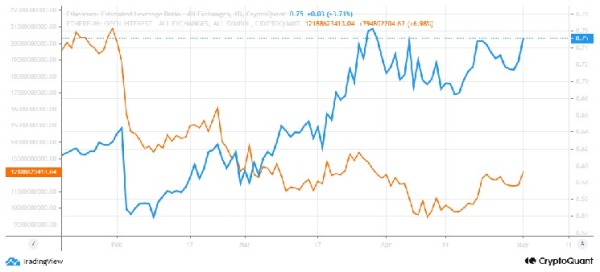
Key Results from Security Survey. Source: Binance
Binance was very clear that increasing 2FA (two-factor authentication) usage is unambiguously good. Still, there are a few key holes in the community’s preferences.
Most of the other important user-end security practices have very low rates of adoption, which Binance blames on insufficient awareness. It described a few measures to foster security education:
“As the industry evolves, so do the tactics of bad actors. We’re investing heavily in localized anti-scam education that is practical, accessible, and tailored to users’ real needs. We’re also working closely with regulators and law enforcement… to better protect user assets,” claimed Jimmy Su, Binance’s Chief Security Officer.
This education question touches on several different topics. For one thing, most of Binance’s Asian users claimed that existing security guides are “too technical and difficult to understand.”
However, they’re ready to learn. Over 60% said they would participate in anti-scam simulations, especially if this was gamified or paired with rewards.
The survey also noted a key data point in an age-old debate: whether or not to self-custody assets. Binance reported that its users have a growing expectation that exchanges actively manage security.
Meanwhile, 62.5% believe that CEXs are responsible for intercepting high-risk transactions in real time, and more than half would “immediately” contact an exchange over scam attempts.
Still, as with the firm’s previous surveys, it’s important to remember the participants’ demographics. Binance only questioned Asian users on their security preferences, and it identified regional variations even within this sample. For example, depending on the respondent’s location, they may give four different answers to the question, “What platform spreads the most scams?”
In other words, Binance or other firms may need to conduct follow-up polls over a wider net to corroborate this security data. In this isolated form, though, the Asian user data is still very useful.
Hopefully, it can help craft beneficial anti-fraud policy and educational resources for a global audience.
