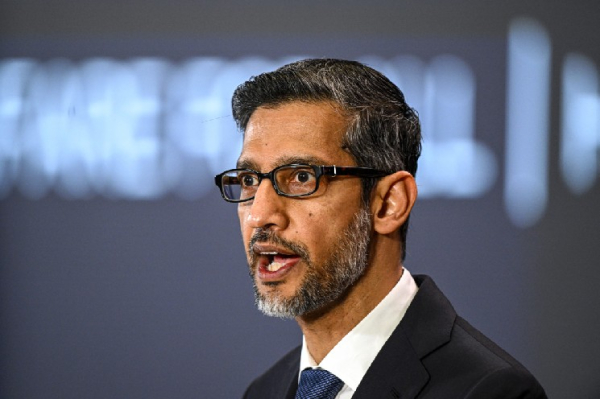
On March 31, Alphabet Inc. (Nasdaq: GOOGL) CEO Sundar Pichai shared the latest update regarding Gmail addresses on X.
While a user might once have created a username made up of random characters, they can now go to their Google account settings and choose any name available, the billionaire said.
“You’ll keep your old username and you can sign in with both,” Pichai added.
The service is rolling out to all users but the option may not be available to everyone right now.
Once you create a new username, the previous one will become an alternate email address. You’ll receive emails to both your old and new addresses.
Note that you can create only up to three new email addresses that end in gmail.com for your Google account.
The move aims to make Gmail addresses user-friendly so that users don’t have to remember random, messy string of letters.
Crypto wallets still remain hard to remember
The latest development is very much unlike the current crypto ecosystem where users holding virtual assets like Bitcoin (BTC) and Ethereum (ETH) store them in wallets with long strings of random letters that are hard to remember and easy to mistype.
It is crucial that you properly remember your crypto wallet address as it is and pay extra attention during transactions.
If you mistakenly share a wrong address with a sender, the crypto funds you are supposed to receive could land in another person’s wallet. Such instances are not uncommon and bad actors frequently exploit such scenarios to steal funds.
Not immediately, developers working in the crypto industry could find inspiration in the latest Gmail update and work toward helping users create simpler wallet addresses.
The move would only make the crypto ecosystem faster and easier.
More News:
Elon Musk reveals ‘plus side’ of quantum computing breaking Bitcoin
Musk denies reports of Robinhood being cut from SpaceX IPO
Treasury unveils new details on proposed U.S. dollar changes
New Google warning
Meanwhile, Google recently published a whitepaper that warned a quantum system could be powerful enough in a few years to target real-time Bitcoin transactions.
A crypto wallet address is nothing but the short hash of a public key, an encoded text that enables a user to receive crypto assets into their wallet.
During a Bitcoin transaction, the public key is revealed for a brief period. A powerful quantum system can use the public key to find the private key and steal the crypto funds, the paper warned.
In fact, it could crack a Bitcoin transaction in about nine minutes, it further added.
Though it’s not an immediate threat, Google recommended a migration to post-quantum cryptography (PQC) to address the potential risks to cryptocurrencies in the future.
 Bitcoin
  Ethereum
  Tether
  BNB
BNB  XRP
XRP  USDC
USDC  Solana
  TRON
TRON  Lido Staked Ether
  Figure Heloc
  Dogecoin
  USDS
USDS  WhiteBIT Coin
  Bitcoin Cash
  LEO Token
  Wrapped stETH
  Cardano
  Hyperliquid
  Wrapped Bitcoin
  Chainlink
  Binance Bridged USDT (BNB Smart Chain)
  Monero
  Wrapped Beacon ETH
  Ethena USDe
  Canton
  Stellar
  Wrapped eETH
  Dai
Dai  USD1
USD1  sUSDS
sUSDS  Litecoin
  Zcash
Zcash  MemeCore
  Coinbase Wrapped BTC
  PayPal USD
  Rain
Rain  Avalanche
  WETH
WETH  Hedera
  Shiba Inu
  Sui
Sui  USDT0
USDT0  Toncoin
  Cronos
  Bittensor
  World Liberty Financial
  Circle USYC
  Tether Gold
  PAX Gold
  Ethena Staked USDe
  Mantle
  Uniswap
  BlackRock USD Institutional Digital Liquidity Fund
  Polkadot
  Global Dollar
  OKB
OKB  Pi Network
  Falcon USD
  Sky
Sky  Aster
Aster  HTX DAO
  syrupUSDC
  NEAR Protocol
  Aave
Aave  Pepe
Pepe  Bitget Token
  Ondo
Ondo  BFUSD
BFUSD  Ondo US Dollar Yield
  Ethereum Classic
  Internet Computer
  Ripple USD
  Janus Henderson Anemoy Treasury Fund
  Gate
Gate  USDD
USDD  KuCoin
  Quant
Quant  Jupiter Perpetuals Liquidity Provider Token
  Pump.fun
  POL (ex-MATIC)
  Spiko EU T-Bills Money Market Fund
  Render
  Worldcoin
  Jito Staked SOL
  Kaspa
Kaspa  NEXO
NEXO  Kelp DAO Restaked ETH
  USDtb
USDtb  Cosmos Hub
  Binance-Peg WETH
  Morpho
  Rocket Pool ETH
  Algorand
  Superstate Short Duration U.S. Government Securities Fund (USTB)
  Binance Bridged USDC (BNB Smart Chain)
  Midnight
  Ethena
  Wrapped BNB
  Aptos
Aptos  Function FBTC
  Official Trump
  Flare
Flare  Provenance Blockchain
  Filecoin
  Stable
  syrupUSDT
  OUSG
OUSG  YLDS
YLDS  Beldex
  Binance Staked SOL
  XDC Network
  GHO
GHO  VeChain
  Jupiter
  Usual USD
  Arbitrum
  NEW X CEO IS BACK
  Polygon Bridged USDC (Polygon PoS)
  JUST
JUST  Solv Protocol BTC
  Artificial Superintelligence Alliance
  Lombard Staked BTC
  Bonk
Bonk  TrueUSD
  A7A5
A7A5  clBTC
clBTC  LayerZero
  PancakeSwap
  Fasttoken
  Chiliz
  Virtuals Protocol
  EURC
EURC  StakeWise Staked ETH
  Dash
Dash  Stacks
  Kinetiq Staked HYPE
  tBTC
tBTC  Pudgy Penguins
  Janus Henderson Anemoy AAA CLO Fund
  WrappedM by M0
  First Digital USD
  Tezos
Tezos  Siren
Siren  Ether.fi
  PRIME
PRIME  c8ntinuum
  DeXe
DeXe  Kinesis Gold
  Mantle Staked Ether
  USX
USX  Decred
  Polygon PoS Bridged DAI (Polygon POS)
  Sei
Sei  Resolv wstUSR
  Sun Token
  COCA
COCA  ADI
ADI  Gnosis
  Curve DAO
  Doge Strategy
  Liquid Staked ETH
  River
River  Arbitrum Bridged WBTC (Arbitrum One)
  AINFT
AINFT  BitTorrent
  USDai
USDai  Aerodrome Finance
  Wrapped Flare
  Venice Token
  Injective
  L2 Standard Bridged WETH (Base)
  Kinesis Silver
  Steakhouse USDC Morpho Vault
  Lido DAO
  Kite
Kite  Conflux
  DoubleZero
  Bitcoin SV
  Binance-Peg XRP
  Kaia
Kaia  Ether.Fi Liquid ETH
  Legacy Frax Dollar
  Renzo Restaked ETH
  FLOKI
FLOKI  JasmyCoin
  Noon
Noon  sBTC
sBTC  Celestia
  Monad
Monad  crvUSD
  Jupiter Staked SOL
  Official FO
  Savings USDD
  The Graph
  Ape and Pepe
  SPX6900
  Marinade Staked SOL
  Olympus
  Arbitrum Bridged WETH (Arbitrum One)
  Maple Finance