 Bitcoin
  Ethereum
  Tether
  XRP
XRP  BNB
BNB  USDC
USDC  Solana
  TRON
TRON  Lido Staked Ether
  Figure Heloc
  Dogecoin
  WhiteBIT Coin
  USDS
USDS  LEO Token
  Hyperliquid
  Wrapped stETH
  Cardano
  Bitcoin Cash
  Wrapped Bitcoin
  MemeCore
  Binance Bridged USDT (BNB Smart Chain)
  Monero
  Wrapped Beacon ETH
  Chainlink
  Stellar
  Canton
  Wrapped eETH
  Zcash
Zcash  Ethena USDe
  sUSDS
sUSDS  Dai
Dai  Litecoin
  USD1
USD1  Coinbase Wrapped BTC
  Avalanche
  Hedera
  PayPal USD
  WETH
WETH  Sui
Sui  Rain
Rain  Shiba Inu
  USDT0
USDT0  Toncoin
  Cronos
  Circle USYC
  Tether Gold
  BlackRock USD Institutional Digital Liquidity Fund
  World Liberty Financial
  Bittensor
  Ethena Staked USDe
  Global Dollar
  PAX Gold
  Polkadot
  Mantle
  Uniswap
  Sky
Sky  Falcon USD
  NEAR Protocol
  OKB
OKB  Pi Network
  Little Pepe
  HTX DAO
  Aster
Aster  syrupUSDC
  Pepe
Pepe  Janus Henderson Anemoy Treasury Fund
  Ripple USD
  Aave
Aave  Internet Computer
  USDD
USDD  Ondo US Dollar Yield
  BFUSD
BFUSD  Bitget Token
  Ethereum Classic
  Ondo
Ondo  KuCoin
  Gate
Gate  Pump.fun
  Jupiter Perpetuals Liquidity Provider Token
  Morpho
  Quant
Quant  United Stables
  Spiko EU T-Bills Money Market Fund
  POL (ex-MATIC)
  Jito Staked SOL
  Ethena
  Kaspa
Kaspa  Kelp DAO Restaked ETH
  Cosmos Hub
  Render
  Binance-Peg WETH
  Algorand
  Rocket Pool ETH
  NEXO
NEXO  USDtb
USDtb  Binance Bridged USDC (BNB Smart Chain)
  Superstate Short Duration U.S. Government Securities Fund (USTB)
  Worldcoin
  Wrapped BNB
  Blockchain Capital
  Function FBTC
  Aptos
Aptos  Arbitrum
  Filecoin
  JUST
JUST  Flare
Flare  syrupUSDT
  Official Trump
  Provenance Blockchain
  Beldex
  Binance Staked SOL
  VeChain
  Jupiter
  XDC Network
  Midnight
  OUSG
OUSG  DeXe
DeXe  NEW X CEO IS BACK
  Polygon Bridged USDC (Polygon PoS)
  YLDS
YLDS  Solv Protocol BTC
  GHO
GHO  Lombard Staked BTC
  Stable
  Usual USD
  Bonk
Bonk  clBTC
clBTC  Siren
Siren  PancakeSwap
  TrueUSD
  A7A5
A7A5  Chiliz
  Pudgy Penguins
  StakeWise Staked ETH
  Artificial Superintelligence Alliance
  edgeX
edgeX  Kinetiq Staked HYPE
  Dash
Dash  tBTC
tBTC  币安人生 (BinanceLife)
  WrappedM by M0
  ADI
ADI  Virtuals Protocol
  EURC
EURC  First Digital USD
  RaveDAO
  Stacks
  c8ntinuum
  Venice Token
  Mantle Staked Ether
  Janus Henderson Anemoy AAA CLO Fund
  LayerZero
  Polygon PoS Bridged DAI (Polygon POS)
  Tezos
Tezos  Resolv wstUSR
  Sei
Sei  COCA
COCA  Ether.fi
  Monad
Monad  USX
USX  Doge Strategy
  Liquid Staked ETH
  Sun Token
  Arbitrum Bridged WBTC (Arbitrum One)
  Kinesis Gold
  PRIME
PRIME  Aerodrome Finance
  Decred
  Wrapped Flare
  Curve DAO
  Celestia
  L2 Standard Bridged WETH (Base)
  AINFT
AINFT  Steakhouse USDC Morpho Vault
  Injective
  Lido DAO
  BitTorrent
  Gnosis
  Binance-Peg XRP
  Bitcoin SV
  Ether.Fi Liquid ETH
  SPX6900
  Renzo Restaked ETH
  Conflux
  FLOKI
FLOKI  Noon
Noon  sBTC
sBTC  Kinesis Silver
  DoubleZero
  crvUSD
  Jupiter Staked SOL
  Kaia
Kaia  Savings USDD
  USDai
USDai  JasmyCoin
  Legacy Frax Dollar
  Marinade Staked SOL
  Ape and Pepe
  Arbitrum Bridged WETH (Arbitrum One)
  Maple Finance
Crypto’s massive exploit may force big banks to rethink their blockchain plans, Jefferies warns


A major decentralized finance (DeFi) hack could prompt Wall Street firms to reassess the pace of their blockchain and tokenization efforts, a Jefferies analyst wrote in a report.
The note follows a $293 million exploit of Kelp DAO on April 18, in which attackers minted unbacked tokens and used them as collateral to borrow other assets across lending platforms.
The incident, potentially linked to North Korea’s Lazarus Group, has already rippled through crypto markets, triggering sharp token sell-offs and a liquidity crunch in key protocols.
Jefferies analyst Andrew Moss said the fallout may extend beyond crypto-native firms to traditional financial institutions, which have been accelerating efforts to tokenize assets such as funds, bonds and deposits.
“TradFi tokenization initiatives are proliferating as institutional investment accelerates,” Moss wrote. However, the exploit and its “cascading implications” could “temporarily slow TradFi adoption as security risks are re-evaluated.”
The attack exposed vulnerabilities in blockchain “bridges,” which enable the transfer of assets between networks. In this case, the hackers exploited a verification setup that relied on a single validator, raising concerns about single points of failure in systems meant to be decentralized.
For banks and asset managers, these risks matter. Many tokenization efforts depend on cross-chain infrastructure to move assets and maintain liquidity across platforms. Without secure bridges, Moss warned, markets could become fragmented, limiting the usefulness of tokenized assets.
‘Nascent’ industry
The immediate impact has been severe inside DeFi.
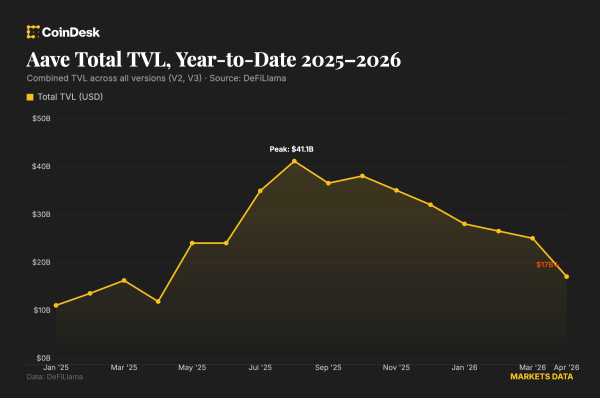
Lending platform Aave was left with roughly $200 million in bad debt, while total value locked dropped by about $9 billion as users withdrew funds. Liquidity in key markets has tightened, with some pools frozen or near full utilization, raising the risk of forced liquidations.
While Moss does not expect the incident to spill into traditional financial markets, it said the loss of trust could weigh on adoption in the near term. Firms may pause or slow deployments as they review vulnerabilities and rethink system design.
At the same time, the longer-term outlook remains intact.
Regulatory progress and infrastructure improvements continue to support institutional interest. Stablecoins, in particular, are expected to play a growing role in payments, with use cases expanding from trading into areas such as cross-border transfers and payroll.
Still, the report highlights a key challenge: as Wall Street moves deeper into crypto, it must rely on infrastructure that is still maturing.
“The nascent digital asset industry still requires time to mature,” Moss said, pointing to the need for more robust systems before tokenization can scale safely.
